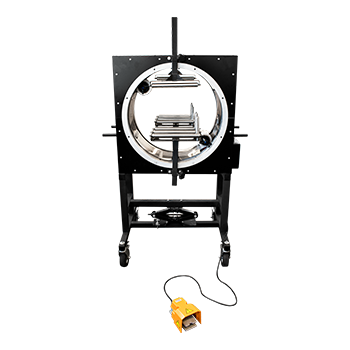
Orbital Stretch Wrappers vs Strapping: Which Packaging Method Is Better?

Orbital Stretch Wrappers vs. Strapping: Which Packaging Method Is Better?

Compare orbital stretch wrapping and traditional strapping for bundling long and awkward products. Learn how orbital wrappers improve load stability, reduce labor, and lower packaging costs.


When packaging long, oversized, or irregular products, companies often choose between two common containment methods: traditional strapping systems and orbital stretch wrappers. While strapping has been widely used for decades, many manufacturers and distribution facilities are now switching to orbital wrapping systems for improved efficiency, product protection, and load stability.

So which packaging method is better for your operation? The answer depends on your products, throughput requirements, labor costs, and shipping standards.

Why Companies Replace Strapping Systems

Traditional strapping systems are effective for basic containment, but they also create several operational challenges that can impact productivity and product quality.

Rising Labor Costs

Manual or semi-automatic strapping often requires significant operator involvement. Workers must position straps, tension them correctly, seal them, and sometimes apply corner protection. These repetitive tasks increase labor time and operating costs.

Product Damage

Straps can dent, crush, scratch, or deform products during transport or storage. This is especially common with:

  • Finished metal products
  • Lumber and trim
  • Plastic pipe
  • Delicate cartons
  • Coated or painted materials

Over-tensioned straps may also damage packaging edges or compromise product appearance.

Slow Throughput

Strapping systems can slow down production lines, especially when handling long or awkward loads that require multiple straps. Manual positioning and adjustments add additional cycle time.

Operator Fatigue

Repeated bending, lifting, and strap handling contribute to worker fatigue and ergonomic concerns. In high-volume operations, this can lead to reduced productivity and increased injury risk.


Advantages of Orbital Wrapping

Orbital stretch wrappers provide a modern alternative that offers stronger load containment and greater operational efficiency.

Safer Loads

Orbital wrappers apply stretch film evenly around products, creating secure and stable bundles without pressure points. This helps prevent shifting during transport and improves overall load integrity.

Improved Presentation

Stretch-wrapped products typically have a cleaner and more professional appearance than strapped loads. The film also helps protect products from:

  • Dust
  • Dirt
  • Moisture
  • Surface scratches

This is especially valuable for customer-facing shipments and retail-ready products.

No Strap Damage

Unlike strapping, stretch film conforms smoothly around products without digging into surfaces or edges. This reduces the risk of:

  • Scratches
  • Compression damage
  • Edge crushing
  • Strap marks

Faster Application

Many orbital wrapping systems operate continuously and automatically, allowing faster packaging speeds with less operator involvement. This increases throughput while reducing manual labor requirements.
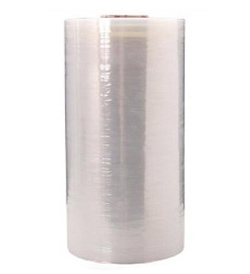
Cast vs. Blown Stretch Film

Cast vs. Blown Stretch Film: Which Stretch Wrap Is Best for Your Application?

Choosing the right stretch film is essential for protecting pallet loads, reducing shipping damage, and improving warehouse efficiency. The two most common types of stretch wrap are cast stretch film and blown stretch film. While both are designed for load containment and pallet wrapping, each offers different advantages depending on your application.

In this guide, we compare cast vs. blown stretch film to help you choose the best stretch wrap for your warehouse, shipping, and distribution needs.

What Is Cast Stretch Film?

Cast stretch film is manufactured through a cast extrusion process where molten resin is rapidly cooled on chilled rollers. This process creates a stretch film with excellent clarity, quiet unwind, and consistent cling.

Cast stretch wrap is commonly used in warehouse and shipping environments where fast application, easy barcode scanning, and lower wrapping noise are important.

Benefits of Cast Stretch Film

  • Quiet unwind during application
  • Excellent clarity for barcode scanning and load identification
  • Consistent cling performance
  • Smooth and easy dispensing
  • Cost-effective for standard pallet loads

Best Applications for Cast Stretch Film

  • Standard warehouse pallet wrapping
  • Distribution centers
  • Uniform pallet loads
  • High-volume shipping operations
  • General freight protection

What Is Blown Stretch Film?

Blown stretch film is produced using a blown extrusion process where heated resin is air-cooled during manufacturing. This creates a tougher film structure with superior puncture resistance and stronger load holding power.

Blown stretch wrap is ideal for securing heavy, sharp, irregular, or unstable pallet loads that require maximum durability during transportation and storage.

Benefits of Blown Stretch Film

  • Superior puncture and tear resistance
  • Higher load retention and holding strength
  • Excellent performance on irregular loads
  • Strong cling for demanding applications
  • Reliable cold-temperature performance

Best Applications for Blown Stretch Film

  • Heavy pallet loads
  • Sharp or irregular products
  • Cold storage and freezer environments
  • Industrial manufacturing shipments
  • Long-distance freight transportation

Cast vs. Blown Stretch Film Comparison

Feature Cast Stretch Film Blown Stretch Film
Clarity Excellent Hazy appearance
Noise Level Quiet unwind Louder unwind
Puncture Resistance Moderate Excellent
Load Retention Good Superior
Cold Temperature Performance Fair Excellent
Best Use Standard pallet loads Heavy or irregular loads

Which Stretch Film Should You Choose?

Choose cast stretch film if you need quiet application, excellent clarity, easy handling, and cost-effective wrapping for standard pallet loads.

Choose blown stretch film if you need maximum puncture resistance, superior holding strength, and reliable performance for heavy, sharp, or unstable loads.

Many warehouses use both types of stretch wrap depending on the products being shipped and storage conditions.

Need Help Choosing the Right Stretch Film?

Complete Packaging Products offers a full selection of cast stretch film, blown stretch wrap, machine stretch film, and pallet wrapping solutions for industrial shipping applications.

Need expert assistance? Call 866-787-2790 to speak with a packaging specialist.